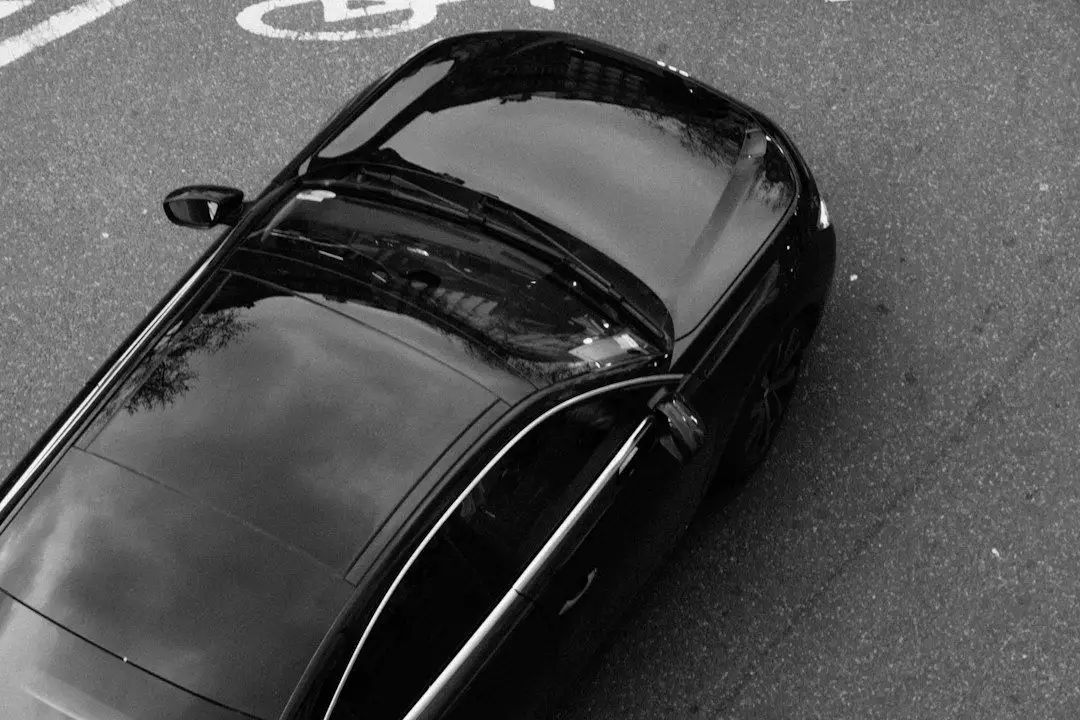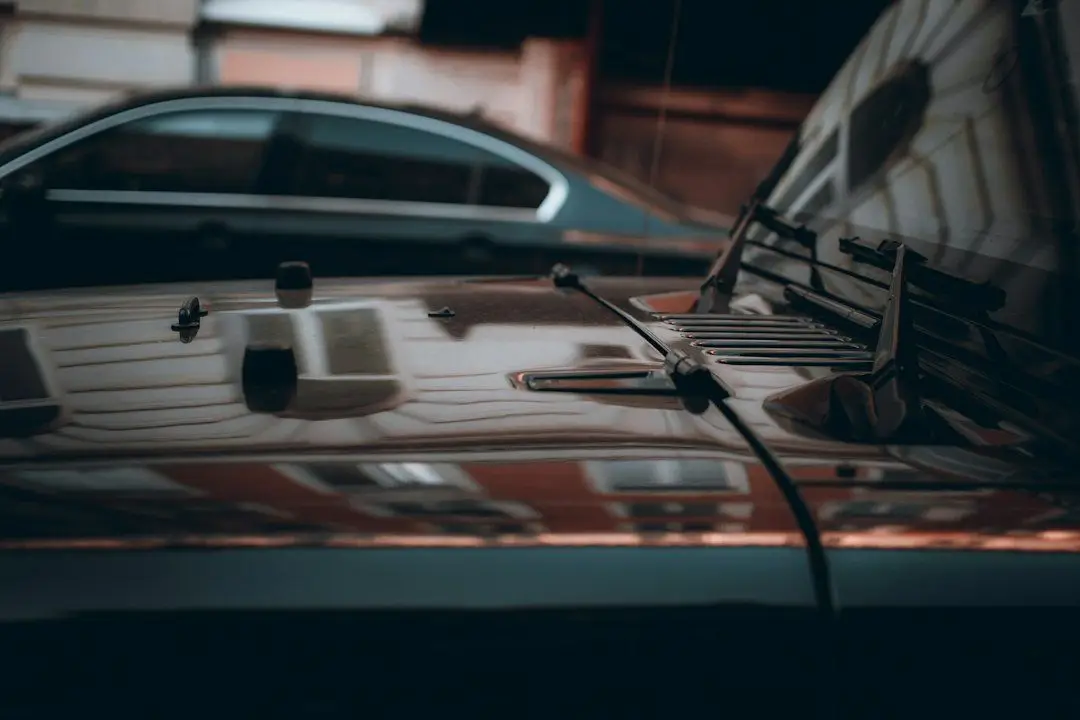
Short answer: Car wrap or PPF? The choice depends on what you want. A wrap (colored vinyl) changes the look and color of your car. PPF (paint protection film, a thick clear film) protects the original paint from scratches and stone chips. If you want a new color, go with a wrap. If you want the factory paint to stay flawless, go with PPF. You can also combine the two.
Key points:
- A wrap and PPF are two different films with two different jobs: looks versus protection.
- A wrap makes more sense for a color change, a matte, satin, or chrome finish, or covering paint that has started to fade but is still sound.
- PPF makes more sense for a car with original paint you want to keep safe from fine scratches, stone chips, and swirl marks.
- PPF now comes in colors too, and many owners choose a combination: a wrap on the body and PPF on the high-impact areas.
- The condition of the paint before installation decides the final result, so we always inspect first before recommending anything.
Different materials, different goals: where every decision starts
A lot of people assume a wrap and PPF are the same thing because both are "stuck onto the body". They are very different, from the material itself to the reason you would use it.
A wrap uses colored vinyl film. Its job is to change the look: from the standard factory color to a new gloss, satin, matte, chrome, or a color flip that shifts with the angle of the light. Vinyl is relatively thin and flexible, designed to cover the body neatly. Any protection it gives is secondary, mostly shielding the old paint from light everyday exposure.
PPF (paint protection film) is a clear polyurethane film that is much thicker and more elastic. It is made for protection, with looks a secondary concern. The film absorbs stone impacts, resists light scratches, and on many products can "self-heal": fine scratches disappear when the film is warmed. Because it is clear, your original paint color stays visible. Manufacturers such as XPEL describe PPF as a layer that guards paint against rock chips, scratches, and scuffs.
Thickness is the most obvious difference. Wrap vinyl is far thinner than PPF, which sits in a thicker range. As a reference, Inozetek Dynamic PPF lists options of around 7.5 and 8.5 mil (roughly 190 to 216 microns). INOZETEK, the material we use in our workshop, comes in several thicknesses, and we match the choice to each panel.
When does a wrap make more sense?
The easiest way to answer this is to start from your goal. If what you are after is a new look, a wrap is almost always the answer.
A wrap suits you when you want a new color without touching the original paint. The factory color stays intact under the vinyl, so when the film comes off one day, the original paint is still there. That matters for resale value and for leased cars. A wrap is also the way to get finishes that are hard or expensive to achieve with paint, such as matte, satin, chrome, or a color-flip effect.
There is a practical case as well: factory paint that has started to fade or look slightly patchy, while the panels are still straight and the paint layer is still healthy. Covering it with vinyl can refresh the look without a respray. If you are weighing a full wrap against repainting the whole car, we go deeper into the trade-offs in our article on wrapping or repainting.
Keep in mind that a wrap is not armor. Vinyl does cover the paint from sunlight and everyday dirt, but it is not designed to take hard stone hits the way PPF is. For serious protection, that is PPF territory.
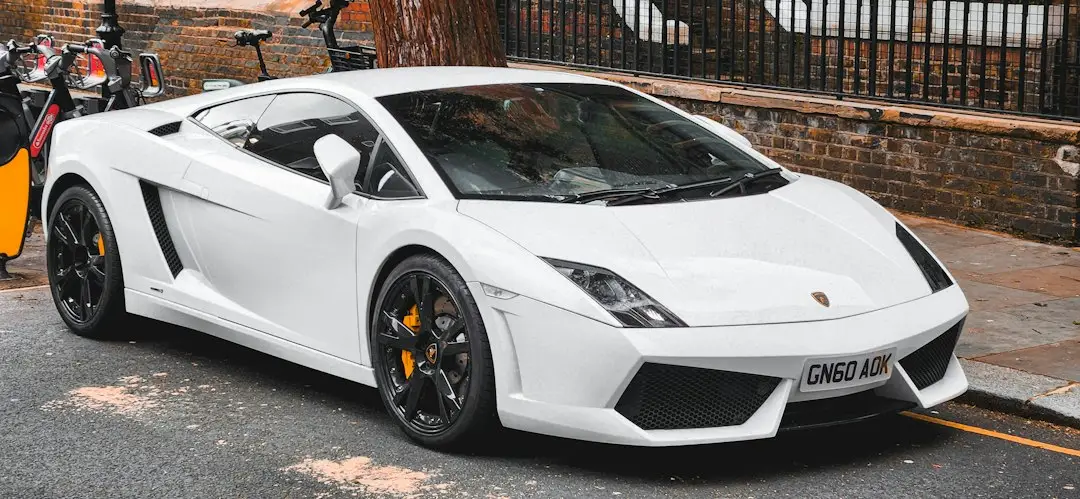
When does PPF make more sense?
Picture a new car leaving the dealer with perfect paint. You have no wish to change the color, you just cannot stand the thought of toll-road chips or gravel marking it. That is where PPF wins outright.
PPF makes sense for:
- Cars with original paint you want to keep as flawless as possible.
- The areas that take the most punishment: the hood, front bumper, mirrors, the area behind the wheels, and door cups (the recess behind the door handle that gets scratched by nails and keys).
- Owners who drive long distances or often travel on gravel roads.
- Dark or solid colors that show swirl marks easily after washing.
Because it is clear and self-healing, PPF keeps the shine of the original paint without changing its character. Metallic and pearl colors look exactly as they are, just with a protective layer on top. For a car whose paint is already beautiful, PPF is how you keep that beauty instead of replacing it.
The trade-off is that PPF needs more careful preparation than a wrap. Clear film hides nothing. Every scratch, swirl, or stain on the paint stays visible, and can even get "locked in" under the film if it is not dealt with first. That is why the work before installation matters as much as the installation itself.
Colored PPF and combinations: you do not always have to pick one
PPF used to mean clear only. Not anymore. Colored PPF is now common, including gloss, matte, and some color effects. So you can get the thick protection PPF is known for and a new look in a single layer.
Colored PPF and vinyl wrap are still not the same product. Colored PPF tends to be thicker and more expensive because its polyurethane structure still puts protection first. Vinyl wrap is lighter and offers a much wider range of colors and textures, usually at a friendlier cost for covering the whole body.
That is why many owners take the middle path, and it is often what we recommend: a wrap on most of the body for the look, then clear PPF on the high-impact areas for protection. For example, the body is wrapped in satin vinyl while the hood, bumper, and door cups get PPF on top or on the areas left unwrapped. You get the look you want without sacrificing the spots that get hurt most often.
A combination like this needs careful panel planning so the transition between films does not look rough. We talk that through at the start, before the car comes in.
Paint condition decides the result: our 6-step PPF process
Wrap or PPF, one thing never changes: a film is only as good as the surface underneath it. With PPF in particular, we never just apply it straight away. We run the job in six steps.
- Paint inspection, panel by panel. We check scratches, past repairs, and paint thickness on each panel. This decides whether a panel is safe to polish and whether the film will bond well.
- Thorough wash and decontamination. Dirt, tar, and iron contamination are removed so nothing gets trapped under the film.
- Paint correction. We level swirls and fine scratches with a machine polisher. Because PPF is clear, this step makes a big difference to the final result.
- Coating, depending on the package. An extra protective layer to suit your needs.
- Panel-by-panel installation. The film is fitted pre-cut or tucked in, meaning its edges are folded behind the panel so no edge shows or lifts easily.
- QC under work lights. We check edges, corners, and bubbles, then hand the car over with a warranty and care guide.
We fit PPF in a separate dedicated room so dust does not get locked under the clear film. Small details like that separate a clean PPF job from one that ends up highlighting flaws.
What drives the cost (without guessing at numbers)
We will not quote rupiah figures here, because an honest price can only come after we have seen the car. You still deserve to know what moves the price.
The main factors:
- Type of film. PPF is generally more expensive per meter than wrap vinyl because it is thicker and more complex. Colored PPF usually costs more than clear PPF.
- Coverage area. A full body is very different from a front-end package (hood, bumper, mirrors).
- Car type and size. A large car with lots of curves needs more material and more time.
- Starting paint condition. If it needs extensive paint correction first, that adds to the work.
- Choice of finish. Chrome, color flip, or special textures each have their own installation demands.
The most accurate way is to send us photos and your car model. We reply with a film recommendation and a cost estimate, and we agree on the schedule before the car comes in.
From our workshop
The pattern we see most: new cars come in for PPF to protect the original paint, while cars that are a few years old more often come in for a wrap and a fresh look. The question that almost always comes up is "can I have both?", and the answer is yes, by combining a body wrap with PPF on the high-impact areas. What we always say honestly: if the paint is already fragile or has an untidy respray, clear PPF will show that problem, and sometimes a wrap is the better choice. We always make that call after the inspection, never before.
Making your choice
It comes down to this: a wrap changes the look, PPF protects the paint. If you want both, a body wrap with PPF on the high-impact areas is a sensible route, and one we often do at our workshop in Gading Serpong.
Before you decide, let us look at your paint first. From there we can recommend the right film honestly, including when the cheaper option turns out to suit your car better. You can also weigh up another route in our article on wrapping or repainting before making the final call.
Frequently asked questions
Can PPF go on top of a wrap?
Yes, depending on the condition and type of vinyl underneath. More often we apply PPF directly to the paint on high-impact areas and wrap the other panels. We decide the order and combination after seeing the car so both the adhesion and the look are sound.
My paint has a lot of scratches. Is a wrap or PPF better?
It depends on how deep the scratches are. Fine scratches can usually be leveled with paint correction before PPF goes on. If the paint is thin, patchy, or has an untidy respray, clear PPF will highlight those flaws, so a wrap often makes more sense. We assess it panel by panel first.
Is clear PPF really invisible?
Once it is installed properly and tucked at the panel edges, good PPF is very hard to spot from a normal distance. What makes PPF visible is usually a rushed install, trapped dust, or edges that were not folded. That is why we work in a dedicated room and do QC under work lights.
Which lasts longer, a wrap or PPF?
Both are films with a service life that depends on the brand, care, and exposure. In general PPF is built to resist physical impact better because it is thicker, while wrap vinyl focuses on looks. The exact lifespan depends on how you care for and store the car; check the film manufacturer's official site for product details.