Short answer: In the PPF vs ceramic coating debate, PPF is a thick protective film that stops stone chips and scratches, while a coating is a thin chemical layer that adds gloss and makes the surface easy to clean. The two work at different levels. A coating looks after the appearance, and PPF physically protects the paint. Quite often, people use both together.
Key points:
- PPF (paint protection film) is a physical layer hundreds of microns thick that absorbs the energy of flying gravel, insects, and light scratches on the areas that take the most hits.
- A ceramic coating is a very thin chemical layer (only a few microns) that bonds to the paint to add gloss and water repellency. It is not designed to stop impacts.
- A coating is enough if all you want is gloss and easy washing; PPF makes sense if you want the paint protected from chipping and scratches.
- The strongest combination is a coating on top of PPF: the film takes the impacts, and the coating keeps the film's surface slick and easy to look after.
- Whatever you choose, the paint has to be corrected first. In our workshop, paint correction always comes before installing either film or coating.
The physical difference: one thick layer, one thin layer
The first thing to picture is thickness. PPF is a thermoplastic polyurethane (TPU) film you can actually hold in your hand before it goes on the car, and it is hundreds of microns thick. To give you a sense of the market, film manufacturers quote figures of around 150 to 200 microns for clear PPF. XPEL, for example, lists a thickness of 8 mil (about 203 microns) for its Ultimate Plus line on its official page. The INOZETEK film we use comes in several thickness options, including 180 microns and 230 microns; their Dynamic PPF line is also described on the manufacturer's official page. These numbers sound small, but when the job is absorbing impacts, a difference of a few dozen microns matters.
A ceramic coating is a different kind of product altogether. It is a silica (SiO2) or polymer based liquid that is applied by hand and then cures into a very thin transparent layer, usually just a few microns thick. You cannot hold it like a film. The coating bonds with the paint surface and forms a hard, slick layer on top of it.
That difference in thickness decides what each one can do. A layer as thick as a film has enough mass to absorb impact energy and spread it out. A layer as thin as a coating does not. That is why comparing the two is a bit like comparing a leather jacket with a skin moisturizer: one protects you from knocks, the other looks after the surface. Both are useful, but they do different jobs.
What each one actually protects against
A more useful question than "which one is better" is "protection from what?" PPF is designed for physical threats. Think of gravel kicked up by the tires of the car in front of you on the toll road, sand, insects hitting the bumper, branches on narrow roads, and light scratches when you close the garage door. The film absorbs those impacts so the paint underneath stays intact. Many modern films are also self-healing, which means fine scratches on the surface of the film can close up again when exposed to heat, whether from sunlight or warm water.
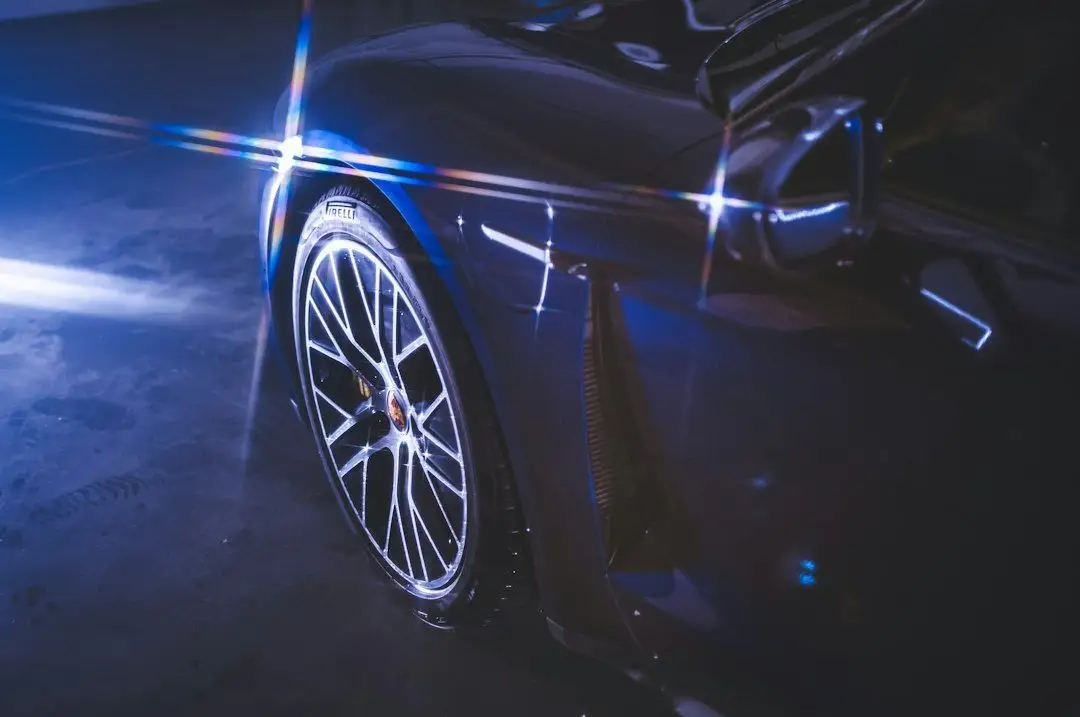
A ceramic coating works in a different area. It adds depth to the gloss, makes the color look "wetter," and, most noticeable in daily use, makes the surface hydrophobic. Water runs off quickly and carries dust with it, bird droppings and tree sap have a harder time sticking, and washing the car takes less time. The coating also gives some resistance to micro scratches when you wipe the car down, along with a little protection against mild chemical stains and UV rays.
We need to be honest about one thing: a coating does not stop gravel. If a small stone hits the hood at high speed, the coating will not prevent chipping, which is when a small piece of paint breaks away down to the primer layer. Plenty of car owners think a coating is "scratch proof," and then they are disappointed when they find the first rock chip on the bumper. A coating makes fine scratches less frequent. It does not make the paint immune to impacts.
When a coating alone is enough
Let's start with the simplest scenario, because not every car needs PPF. A ceramic coating on its own makes sense if the way you use the car is relatively light. For example, a daily driver that spends most of its time in the city, parks in a closed garage, rarely drives long stretches of toll road behind trucks, and whose owner is not too worried about rock chips. In this case your main goal is usually gloss and convenience: the car stays shiny, rain does not leave bad water spots, and the weekend wash goes quickly.
A coating is also the logical choice if budget is a factor and you want basic protection across every panel at once. Because a coating is applied as a liquid, the cost of covering the whole body is generally much lower than wrapping the whole body in film.
To figure out where you stand, try answering a few simple questions. How often does the car go on the toll road and drive behind trucks? Does it spend more time parked in a garage or on the side of the street? How much would it bother you to find small dots on the front bumper? If your answers are rarely, in a garage, and not much, a coating will usually cover what you need.
One thing people often overlook: a coating still needs maintenance. Its hydrophobic effect fades over time and with exposure, so think of the coating as care that extends how long your paint keeps looking good, not something you apply once and forget forever. If you want to understand the routine afterward, we go into more detail in our guide on how to care for a car wrap and PPF so they last.
When PPF really makes sense
On the other hand, there are driving patterns where a ceramic coating alone is not enough and PPF becomes a reasonable investment. If your car often runs on toll roads or between cities, regularly sits behind large vehicles that throw up gravel, or you live in an area with sandy, gravelly roads, the front of the car takes a steady barrage of debris. This is where a thick film pays for itself by preventing chips on the hood, bumper, front fenders, and mirrors.
PPF also makes sense for cars with paint that is expensive or hard to repair. Special colors, deep metallic paints, or makes whose paint needs special handling are all costly to repaint. Protecting the vulnerable panels with film costs far less than repainting panels that are already damaged. The performance cars and collector vehicles that have come through our workshop almost always fall into this category.
You do not have to wrap the whole body. Many owners choose a strategic partial package: only the front impact zone (hood, bumper, fenders, mirrors), plus perhaps the A pillars and the door edges that tend to get scratched. A full body package gives you maximum peace of mind, but a partial front package already covers most of the everyday chipping risk at a more manageable cost. PPF is also available as clear film or colored PPF, so you can protect the paint and change the look at the same time. You can find the details on our paint protection film service page.
The combination: coating on top of PPF
This is the part most often misunderstood as a "pick one" choice, when in fact the two complement each other. The order we follow is film first, then a ceramic coating on top. The logic goes like this. PPF handles the heavy work of stopping gravel impacts and scratches. But the surface of the film, especially film without a built-in hydrophobic topcoat, can hold on to water spots and dirt more easily than coated paint. By adding a coating over the film, you get a surface that is slick, easy to clean, and resistant to stains, while still being protected from impacts underneath.
The practical result: water still runs off quickly, sap and bird droppings come off more easily, and the film itself lasts longer because it is not left dirty all the time. For a car wrapped in full body PPF, we consider this combination a sensible pairing, not an over the top luxury.
Keep in mind that some high-end films already have a hydrophobic topcoat from the factory. On films like these, adding a coating is about refining and extending what is already there, not making up for a big shortcoming. Whether you need an extra coating is best decided after looking at the type of film being used and how you drive. If you are still weighing whether you want to change the look or simply protect the paint, our comparison of car wrap or PPF can help you map out your goal first.
Why paint correction always comes first
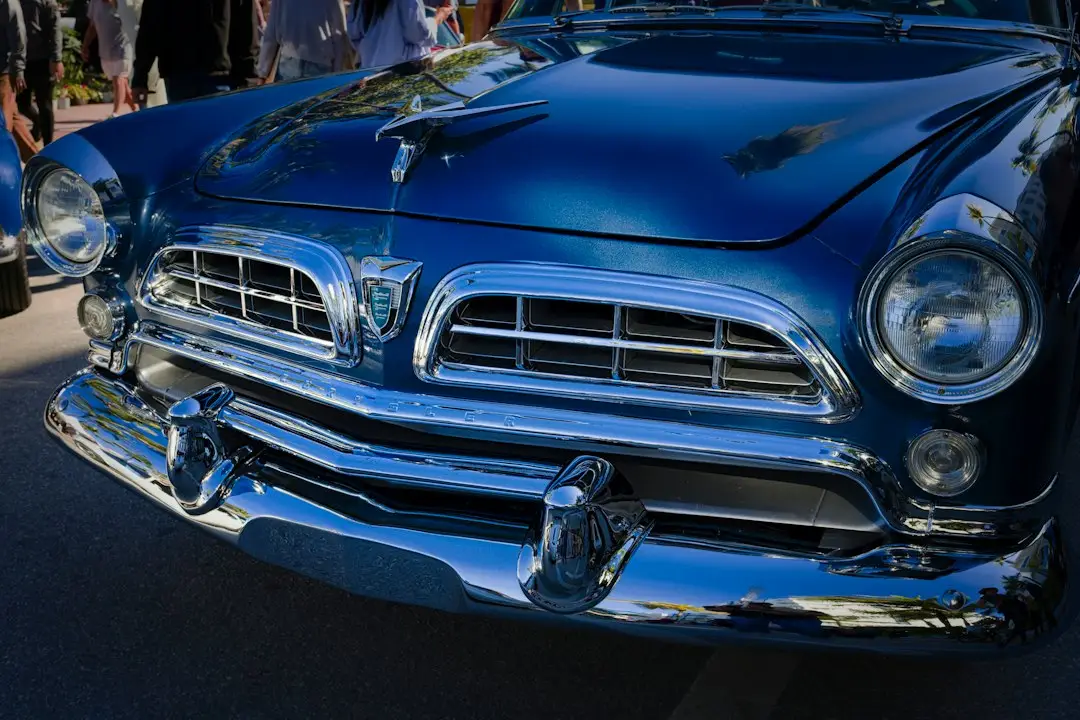
There is one principle we do not compromise on, for PPF and ceramic coating alike: whatever you put on the car will lock in the condition of the paint underneath. If the paint is full of swirl marks and fine scratches and it gets covered straight away with film or a coating, those defects are trapped under a transparent layer. With PPF, swirls can even become more visible, because a clear film makes whatever is underneath it easier to see.
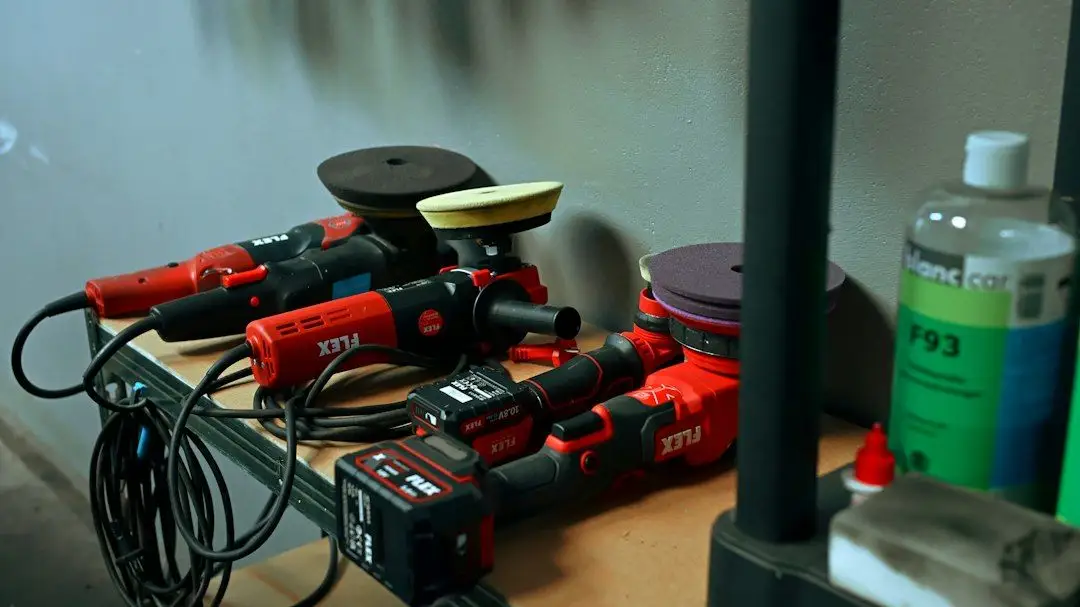
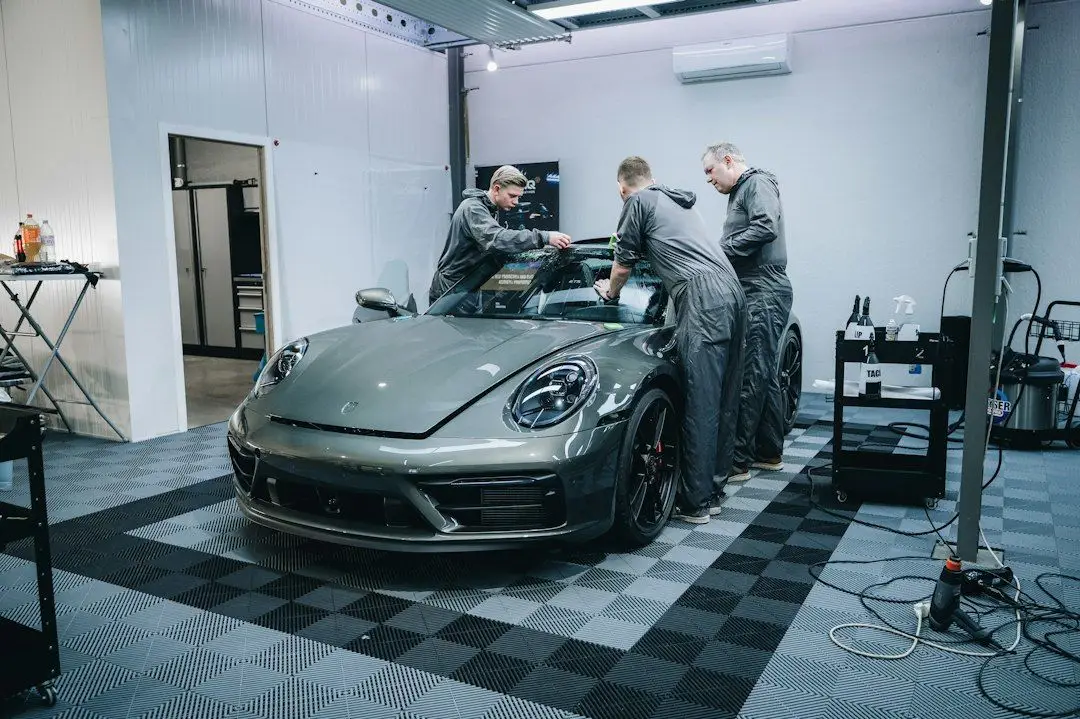
That is why our SOP puts paint correction before installation. The sequence is: inspect the paint panel by panel to map out scratches, previous repairs, and paint thickness; then do a thorough wash and decontamination to lift off bonded contaminants; then carry out paint correction with a polishing machine to level out swirls and fine scratches. Only once the surface is clean and level do we apply the coating according to the package and install the film panel by panel, finishing with a QC check of edges and corners under work lights.
One thing we are honest about at the inspection stage: paint correction removes part of the clear coat, which is a very thin layer to begin with. If the paint is already thin, or it is an old repaint of doubtful quality, we tell you the limits up front, not after a problem shows up. It is better for you to know the real condition before you decide.
Common mistakes we see
Some of the same wrong assumptions come up again and again, and knowing them can save you money and disappointment:
- Treating a ceramic coating as a substitute for PPF. A coating adds gloss and makes washing easier, but it does not stop gravel. If chipping is what worries you, a coating alone does not solve it.
- Installing film or a coating over paint that has not been corrected. Swirls and scratches get locked under the transparent layer and are hard to fix without stripping everything off again.
- Wrapping the full body when your driving only calls for front protection. A partial front package often makes more sense for a daily city car.
- Thinking a coating is applied once and needs no maintenance ever again. Its hydrophobic effect fades, and it still needs regular upkeep.
- Comparing prices without comparing scope. A full body coating and full body PPF protect against different things, so the numbers are not meant to be equal.
From our workshop
The pattern we see most often: an owner comes in with a coating whose gloss still looks good, but rock chips have started to appear on the bumper and hood, and they ask why the coating did not prevent them. From there the conversation usually shifts from "ceramic coating or PPF" to "which parts get hit by gravel most often." The usual decision is PPF on the front impact zone to stop chipping, and for cars fully wrapped in film, we often suggest a coating on top so the surface stays slick and easy to maintain. Before any of that, we always check the paint condition panel by panel first, because sometimes what the car needs is simpler than the owner expected.
Frequently asked questions
Can a ceramic coating replace PPF?
No, because the two work at different levels. A coating is a thin chemical layer for gloss and easier cleaning, while PPF is a thick film that stops gravel impacts and scratches. If your goal is protection from chipping, a coating alone is not enough.
If I already have PPF, do I still need a coating?
It depends on the film. Some high-end PPF already has a built-in hydrophobic topcoat, so an extra coating is more of a refinement. On film without that topcoat, a coating over the PPF makes the surface slicker, more stain resistant, and easier to wash.
Which goes on first, coating or PPF?
When you combine the two, the PPF goes on first and the coating goes on top. Before either of them, the paint has to go through paint correction so that swirls and fine scratches are not locked under a transparent layer. This order decides the final result you see.
How much does PPF cost compared with a coating?
We do not set a fixed figure here, because the cost depends on the type of car, how much of the body is covered, the film you choose, and the scope (partial or full body). In general, covering the whole body in film costs more than coating the whole body. Send us photos and your car model through a consultation for an estimate that fits your car's condition.
Does PPF change the color of my car?
Clear PPF is designed to be transparent, so the original paint color still shows, and the gloss can even look deeper. If you want to change the look at the same time, colored PPF is available, which protects the paint and adds color in a single layer. In short, the "PPF vs ceramic coating" question is best answered by looking at how your car is used and what you want to protect. A coating looks after the beauty of the surface, PPF keeps the paint safe from physical damage, and in many cases the two work best together when applied in the right order. If you are still unsure which one suits your car and your driving routine, bring your paint condition and how you use the car to us. From there we can work out whether a coating is enough, whether you need PPF on certain areas, or a combination of both, along with the paint preparation steps it will need.