Short answer: How long does a car wrap last? It depends on the film and on how the car is looked after, but the range manufacturers usually quote is about 5 to 8 years of normal use, and up to 12 years for certain colors on vertical surfaces. You only get those numbers when the install is clean, the car is parked under cover, and it is washed the right way. Heat, constant sun, and rough brushes cut that lifespan down a lot.
Key points:
- Global film makers such as 3M and Avery Dennison list durability of roughly 5 to 8 years (some colors up to 12) for vertical surfaces, while the roof and hood, which face the sky, last much less.
- The four things that wear out a wrap fastest are direct sun and heat, parking outdoors all the time, washing it the wrong way, and a poor install.
- A torn panel is only one sign the film needs replacing. Others include uneven fading, edges starting to lift, adhesive leaving stains, and fine cracks on the surface.
- You can extend a wrap's life with simple habits done consistently: park in the shade, hand wash with a pH neutral shampoo, and clean off corrosive dirt right away.
- The life of the film and the life of the paint under it are two separate things. A wrap protects the paint, but film that is left to fall apart can make removal harder.
Why the answer is always "it depends"
Every time someone asks us how long a car wrap lasts, we can't give one honest number. Film durability comes from several variables pulling against each other: the type of film, the color, where the panel sits on the car, the climate the car lives in, and how the owner takes care of it.
Look at the manufacturers' own figures. For its 2080 Wrap Film series, 3M states durability of up to 8 years on vertical surfaces, but only up to 3 years on horizontal surfaces such as the hood and roof. Avery Dennison, in its Supreme Wrapping Film data sheet, lists up to 12 years for black and white on vertical surfaces, dropping to around 10 years for other colors, and only a few years for metallics and for flat surfaces. Both brands say plainly that these numbers depend on climate exposure and on how the surface was prepared.
The useful thing to take from those two brands is the big gap between vertical and horizontal surfaces, more than the headline maximum. Doors and fenders stand upright, so they avoid direct sunlight for much of the day. The roof and hood stare at the sky all day long, soak up the most UV and heat, and are usually the first parts to age. So "lasts 8 years" often applies to only some of the panels on your car, and the rest of the car runs on a shorter clock.
In Indonesia the sun is stronger and steadier all year than in the European or North American climates where many of these figures are tested. That means a realistic expectation for a car driven around Gading Serpong, Tangerang, and the surrounding area sits in the lower to middle part of the industry range, well short of the maximum, unless your car spends a lot of its time under cover.
Four things that quietly shorten a film's life
When a car's film fails early, the cause is almost always one of these four.
Direct sun and heat. UV rays break down the film's pigment and protective top layer over time. That is why colors fade, gloss turns dull, and the film starts to get brittle. A car that sits in an open parking lot every day will age much faster than one that sleeps in a garage.
Parking outdoors all the time. UV is only part of the problem here. Bird droppings, tree sap, acid rain, and industrial dust are all corrosive. Bird droppings in particular contain acid that can leave a permanent mark on gloss and matte film if they are left to bake dry for hours in the heat. The film takes all of that so the paint doesn't have to, but the film has its limits too.
Washing it the wrong way. We often see film covered in fine scratches, and the cause usually turns out to be rough routine washing, with no accident involved. Stiff brushes, a chamois that gets used alongside dirty rags, automatic car washes with spinning brushes, and household bar soap that is too alkaline all grind away at the surface. Matte and satin films are the most vulnerable, because their texture can't be polished back the way gloss can.
Install quality. This one is invisible, and it decides a lot. Film that is overstretched during installation will shrink back over time and pull away from the panel edges. If the edges aren't folded around the back of the panel properly (a technique we call tucked-in), water and dirt get in from the sides and lift the film from underneath. Poor surface prep, for example applying film over dusty or waxed paint, means the adhesive never bonds fully, starting from day one.
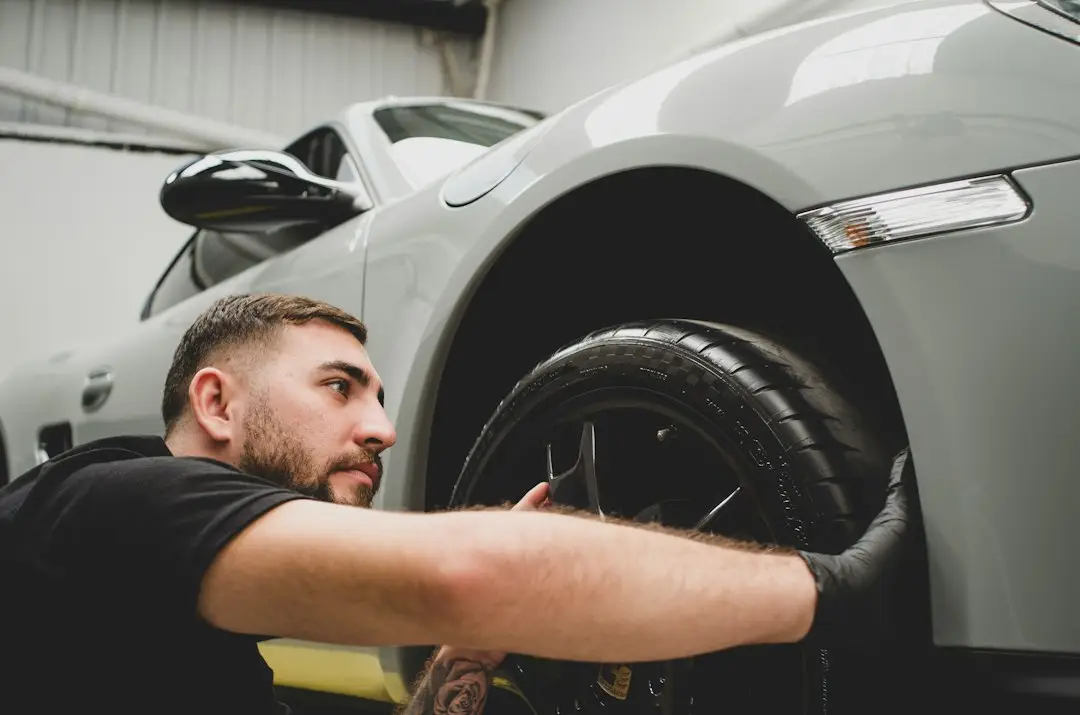
Notice that the first two factors are about the environment and the last two are about decisions. You can't control the Tangerang sun, but you can control where the car is parked, how it is washed, and who installs the film.
Signs it is time to replace the film
Wrap film doesn't die all at once. It ages slowly, and if you know the signs, you can replace it before the problem spreads to the paint.
- Uneven fading. The roof and hood look duller or have shifted in tone compared with the doors. This is the classic sign of UV fatigue.
- Edges starting to lift. The edges of the film near door handles, mirrors, or panel seams feel raised when you run a finger over them. Once an edge lifts, dirt and water speed the process up.
- Lost gloss or fine surface cracks. Gloss film that has gone permanently dull, or hairline cracks that appear when the film flexes, mean the protective layer has become brittle.
- Adhesive left behind, or film that tears when touched. If the film is so fragile that a fingernail can tear it, the adhesive has usually changed as well. At this stage, removal needs extra care.
- Stubborn stains that won't wash off. Bird dropping or sap marks that have soaked in and can no longer be lifted are a sign the film's surface has been compromised.
One important note. Film that is left until it is very brittle is actually harder and slower to remove, because it breaks into small pieces and the adhesive hardens. Replacing it at the right time, when the early signs show up, usually makes removal cleaner and avoids the risk of pulling up the original paint.
Practical steps to make a wrap last longer
The good news is that extending a film's life doesn't take a complicated routine. It takes consistency. Here is what we recommend to the owners whose cars we work on.
- Park in the shade whenever you can. This single habit has the biggest effect. A garage, a mall basement, or even a shady tree cuts the daily UV load significantly. If the car has to stay outdoors for long periods, a clean car cover made of soft material helps.
- Hand wash, pH neutral, two buckets. Use a pH neutral car shampoo, never dish soap or laundry detergent. The two bucket method (one bucket for shampoo, one for rinsing the wash mitt) reduces the grit that causes scratches. Stay away from automatic brush car washes.
- Dry with a clean microfiber towel or a blower. Don't let the water air dry, because it leaves water spots, especially on dark gloss film.
- Remove corrosive dirt right away. Bird droppings, sap, and dead insects should be cleaned off within hours, not days. Wet the spot first, let it sit a moment to soften, then lift it off without scrubbing hard.
- Be careful at the fuel pump. Spilled gasoline can stain the film, so wipe it off right away if it gets on the wrap.
- Don't polish or wax matte film without thinking. Gloss enhancer products will leave a matte surface blotchy. For a fuller routine, we have a separate guide on caring for your car wrap and PPF so they last.
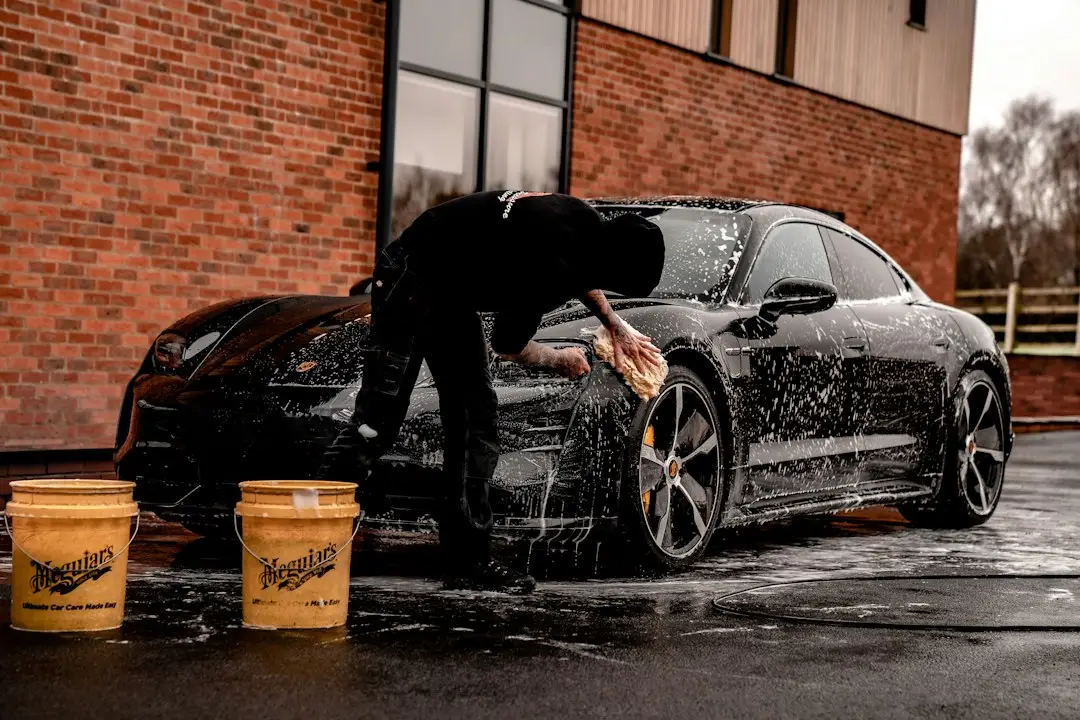
Proper care won't make the film last forever, but it can move your car from the bottom of the durability range toward the top. The gap between a car that is looked after and one that is neglected can be several years.
Wraps, PPF, and the misunderstanding about "protection"
Many car owners mix up two things: a wrap, used to change the color, and PPF (paint protection film), used to protect the paint. Both are films, but they have different jobs, and their service life is judged in different ways.
A color wrap is judged by how long it keeps looking good: the color doesn't fade, the gloss stays, and the edges don't lift. PPF is judged by how long it keeps protecting, including the ability of dynamic film to heal light scratches on its own (self-healing). PPF manufacturers generally set longer durability expectations, because the material is thicker and built to take impacts and abrasion, while a wrap is mostly about looks.
So if your priority is long term paint protection rather than a color change, think about whether PPF is a better fit for what you need. We go into the difference in more depth on our paint protection film page, and if you are weighing PPF against coating, there is also our breakdown of PPF vs ceramic coating: how they differ and when you need both. Picking the right product from the start is the first way to extend the useful life of what you spend.
One common mistake is worth clearing up. A color wrap does give the original paint some physical protection from light scratches and from the sun, but it can't stand in for PPF when it comes to stone chips on the toll road. Treating a wrap as full protection often leaves owners surprised when the paint underneath turns out to be damaged anyway.
About cost, and when replacing makes sense
The question that almost always follows is this: is it cheaper to replace the film more often, or to pay more once for a better film? There is no single answer, but there is a logic to it.
The cost of redoing a wrap depends on a few factors: the type of car and how much panel area it has, the kind and color of film you choose, the condition of the old film that has to come off, and whether any paint repair turns up once the film is removed. We don't put a number in this article because every car is different, and an honest estimate is only possible after we see photos of your car and know the model.
What we can say is this: film that is left until it is brittle often adds cost and time to the removal, while film that is replaced on time comes off more cleanly. So putting off a replacement doesn't always save money.
From our workshop
The pattern we see most often at our Gading Serpong workshop is two panels aging first: the roof and the hood, on cars that are parked outside day to day. Their color shifts duller than the doors, and the owner only notices when the car is photographed in the sun. The question that almost always comes up is: "Can I replace just part of it, or does it all have to go?" Our answer depends on how far the old film's color has drifted and what color stock is available, because film that has already faded can rarely be matched exactly with new film. The decision we usually recommend goes like this. If the film is still young and only one panel was damaged in an incident, patch that panel. If the whole wrap has aged evenly, a full replacement gives a neater result.
Closing thoughts
So, how long does a car wrap last? The industry range is about 5 to 8 years of normal use, with some colors lasting longer on vertical surfaces, but you only reach those numbers with a clean install, a quality film, and consistent care. In the Tangerang climate, which is hot all year round, a realistic expectation sits in the lower to middle part of that range, and the roof and hood are the panels that need extra attention.
If you are thinking about a new wrap, or you are not sure whether your old film is due for replacement, send us photos of your car's condition and the model. We will help assess the film, explain the options that make sense, and give you an honest estimate before your car comes into the workshop.
Frequently asked questions
Can a car wrap be washed like regular paint?
Yes, but the method is different. Wash it by hand with a pH neutral shampoo and a microfiber mitt, and avoid stiff brushes and automatic car washes with spinning brushes. On matte and satin film, don't use wax or gloss enhancer, because it can leave the surface blotchy.
Why did my car's roof fade first when the wrap is only a few years old?
Because the roof and hood face the sky and take the most UV and heat. Manufacturers such as 3M and Avery Dennison themselves list much shorter durability for horizontal surfaces than for vertical ones. Parking under cover is the most effective way to slow this down.
Does removing a wrap damage the original paint?
If the original paint is in good condition and the film is removed at the right time, the paint is generally safe. The risk comes when the car has had a poor quality repaint before, or when the film has been left until it is so brittle that the adhesive has hardened. That is one of the reasons to replace the film before it gets too old.
Which lasts longer, a wrap or PPF?
They are judged by different measures. A wrap is judged by how its color looks, PPF by how well it protects, and PPF is generally designed for higher durability and impact resistance because it is thicker. If your goal is to protect the paint long term, PPF is usually a better choice than a color wrap.
Do dark colors fade faster?
Dark colors absorb more heat, and some deep colors do have a harder time keeping their gloss in a hot climate. Interestingly, manufacturer data actually gives black and white the longest vertical rating, while metallic and pearl finishes are rated shorter. So the deciding factor is the film's pigment type and finish more than how dark or light it is.